

Meet the researchers and clinicians affiliated with the Center for Sleep, Circadian and Neuroscience Research. Select a name to view that person’s full profile.

E. Fiona Bailey, PhD
Professor of Physiology; Professor, Evelyn F. McKnight Brain Institute; Professor, BIO5 Institute; Professor, Speech/Language and Hearing; Director, Postdoctoral Affairs — University of Arizona
My earlier research focused on the neural control of breathing in human and nonhuman mammals with particular emphasis and interests in nervous system control of upper airway muscle activities in obstructive sleep apnea (OSA). Beginning in 2015, my interests have shifted toward sleep and sleep disordered breathing, especially those with mild, moderate or severe OSA. In this more recent phase, my laboratory is focused on assessing the potential benefits of a novel form of respiratory muscle strength training and its potential to offer a safe and effective means of lowering blood pressure, improving vascular health and sleep in older adults.
Phone: 520-626-8299
Email: ebailey@arizona.edu

Daniel Combs, MD
Associate Professor, Pediatrics; Associate Professor, Sleep Medicine — University of Arizona
My research interests include studying the cognitive and quality of life effects of sleep disorders in children with special healthcare needs, as well as identifying new treatments to mitigate the effects of sleep disorders in this population. My current research includes both individuals with Down syndrome as well as individuals with congenital heart disease.
Phone: (520) 626-7780
Email: combs89@arizona.edu

Monisha Das Ireland, MD, FCCP
Associate Clinical Professor of Medicine
Monisha Das Ireland, MD, FCCP, is an Associate Clinical Professor of Medicine in the University of Arizona College of Medicine – Tucson and Medical Director of the Center for Sleep Disorders at Banner – University Medical Center Tucson. She is board-certified in sleep medicine, pulmonary medicine, and critical care medicine, bringing multidisciplinary expertise to the evaluation and treatment of complex sleep and respiratory disorders. Her research interests include device-based and alternative medical therapies for obstructive and central sleep apnea, sleep disorders affecting women, and restless legs syndrome.

Fabian Fernandez, PhD
Associate Professor, Psychology; Associate Professor, Neurology; Associate Professor, Evelyn F. McKnight Brain Institute; Associate Professor, Neuroscience-GIDP — University of Arizona
Circadian timekeeping is fundamental to human health. Under many clinical circumstances, the temporal organization of our minds and bodies can stray slowly from the Universal Time that is set with the Earth's rotation, and this disorganization has been linked to progression of several age-related and psychiatric diseases. One of the central themes of my research program is to understand the information the brain's clock tracks in light signals, and to usher in an era where therapeutically relevant high-precision light administration protocols change the standard of care for a wide variety of conditions that impair quality of life. Of the conditions my lab is currently studying, we are particularly interested in how sequenced light exposure can strengthen adaptive cognitive and emotional responses to being awake in the middle of the night, a key interval associated with increased suicidal ideation and mortality. Our circadian work on suicide is done in close partnership with the University of Arizona Sleep and Health Research Program directed by Dr. Michael A. Grandner.
Phone: (520) 621-7447
Email: fabianf@arizona.edu

Rina Fox, PhD, MPH
Assistant Professor (Clinical); Director, Research and Education to Advance Cancer survivor Health (REACH) Lab — University of Arizona, Department of Psychology
Rina Fox is a clinical health psychologist and Co-Director of the Cancer Center's Behavioral Measurement and Interventions Shared Resource. Her research is broadly focused on delineating how psychosocial processes impact adjustment to and coping with cancer, with an emphasis on developing and testing behavioral interventions to improve symptom management and health related quality of life (HRQOL) among cancer survivors. She is particularly interested in the role of sleep in HRQOL. In her research, she uses digital intervention delivery to improve access to psychosocial care and intervention optimization methods to decrease the burden of engaging with psychosocial interventions.
Email: rsfox@arizona.edu

Michael A. Grandner, PhD, MTR, DBSM, FAASM, FAHA, FSBSM
Director, Sleep and Health Research Program; Director, Behavioral Sleep and Circadian Medicine Clinic; Associate Director for Translational and Behavioral Science, Center for Sleep, Circadian, and Neuroscience Research; Associate Professor of Psychiatry, Medicine, Psychology, Nutritional Sciences, and Clinical Translational Science — University of Arizona
Dr. Grandner directs the Sleep and Health Research Program at the University of Arizona and holds appointments across Psychiatry, Medicine, Psychology, Nutritional Sciences, and Clinical Translational Science. He is a licensed psychologist certified in Behavioral Sleep Medicine and directs the Behavioral Sleep and Circadian Medicine Clinic. His research focuses on how sleep and sleep-related behaviors are related to cardiovascular disease, diabetes, obesity, neurocognitive functioning, mental health, and longevity, including the downstream health outcomes of insufficient sleep, its upstream social and behavioral determinants, and the development of behavioral interventions for sleep. He has published over 300 articles and chapters, co-authored the American Heart Association's Life's Essential 8 and chaired its inaugural Sleep Health Committee, and is a past President of the Society of Behavioral Sleep Medicine. He is an elected fellow of both the American Academy of Sleep Medicine and the American Heart Association.
Email: grandner@arizona.edu

Stefano Guerra, MD, PhD, MPH
Professor of Medicine, Division of Pulmonary, Allergy, Critical Care & Sleep Medicine; The Henry E. Dahlberg Chair in Asthma Research; Director, Epidemiology Unit, Asthma and Airway Disease Research Center; Professor, Mel & Enid Zuckerman College of Public Health; Member, BIO5 Institute — University of Arizona
Dr. Guerra is a leading expert in the natural history and biomarkers of obstructive lung diseases, including asthma and chronic obstructive pulmonary disease (COPD). As principal investigator, he leads and coordinates multiple studies that use bio-specimens and phenotypic information from independent epidemiological cohorts to characterize the natural history, profile the risk factors, and identify novel biomarkers of lung diseases. His work includes household-based epidemiologic studies of respiratory health and molecular biomarker projects on asthma and COPD.
Phone: 520-626-7411
Email: stefano@arizona.edu

Lauren E. Hartstein, PhD
Assistant Professor, Psychiatry; Assistant Professor, Psychology; Director, Sleep & Development Lab — University of Arizona
Dr. Hartstein is a developmental researcher whose work focuses on modifiable environmental and behavioral factors affecting sleep and circadian health in early childhood. She utilizes measures of behavior, cognition and physiology to explore the contributions of the lighting environment and media use affecting children's sleep and circadian rhythms. Her recent NIH-supported research examined the sensitivity of the circadian system to the spectrum and intensities of light exposure before bedtime in preschool-aged children, and she studies children's use of melatonin supplements and its effects on the maturing circadian clock. Through this work, Dr. Hartstein aims to inform recommendations for parents and other stakeholders on best practices to promote children's sleep health and well-being.

Patricia Haynes, PhD, CBSM, DBSM
Professor, Health Promotion Sciences; Professor, Department of Psychiatry; Professor, Department of Psychology — University of Arizona
Dr. Haynes' research employs a chronobiological framework to the study of stress in chronic health conditions like obesity, depression, and stress-related disorders. She conducts studies that investigate the disruption of sleep and social rhythms after stressful life events, and she studies how sleep interventions may be adapted to increase effectiveness and uptake in at-risk populations. She is a licensed clinical psychologist with a diplomate certification in behavioral sleep medicine and more than 20 years of experience providing evidence-based intervention in settings including the VA, academic healthcare, and municipal workplaces. She also provides Cognitive Behavioral Social Rhythm Therapy, a group intervention her team developed and tested to reduce mental health symptoms and promote resiliency to stress.
Phone: (520) 626-1855
Email: thaynes@arizona.edu

William D. "Scott" Killgore, PhD
Professor of Psychiatry, Psychology, and Medical Imaging; Director, Social, Cognitive, and Affective Neuroscience (SCAN) Lab — University of Arizona College of Medicine
Dr. Killgore is a clinical neuropsychologist and research neuroscientist whose work focuses on understanding the brain systems involved in emotional processes and cognitive performance. For the past decade, his work has focused nearly exclusively on the mental health, wellbeing, and performance of military personnel, combining neurocognitive assessment with state-of-the-art neuroimaging to study the role of emotion in complex cognitive processes such as moral judgment, decision-making, and risk-taking, and how these systems are affected by factors such as insufficient sleep, nutrition, light exposure, physical activity, and caffeine. He is currently conducting several Department of Defense funded studies aimed at improving sleep and resilience in military personnel, including work on mild traumatic brain injury and PTSD, and interventions such as targeted light exposure, caffeine, and transcranial magnetic stimulation.
Phone: (520) 621-0605
Email: killgore@arizona.edu

Joyce K. Lee-Iannotti, MD, FAAN, FAASM
Interim Director, Petznick Stroke Center; Inaugural Director, Barrow Sleep Center; Professor of Neurology — Barrow Neurological Institute & University of Arizona College of Medicine–Phoenix
Dr. Lee-Iannotti is board certified in general neurology, vascular neurology, and sleep medicine. Her expertise includes the diagnosis and treatment of neurovascular diseases and sleep disorders, with a particular specialty in central disorders of hypersomnia (e.g. narcolepsy), REM sleep behavior disorder, and sleep-wake disturbances in long COVID. She is a fellow of the American Academy of Neurology (AAN) and chair of its Sleep Section, and a fellow of the American Academy of Sleep Medicine (AASM), where she serves on the Board of Directors and chairs the Sleep Medicine Fellowship Directors Council Steering Committee. Her research interests include REM sleep behavior disorder, narcolepsy, neuro-COVID syndromes, and the intersection of sleep apnea and stroke.
Phone: (602) 406-6262

Joan L. "Joanie" Machamer, ACNP
Nurse Practitioner — The Center for Sleep and Circadian Studies, University of Arizona
Phone: (520) 694-0111

Saif Arsan Mashaqi, MD
Professor, Medicine; Program Director, Sleep Medicine Fellowship Program — University of Arizona College of Medicine – Tucson
Dr. Mashaqi joined the University of Arizona in 2019, coming from the University of North Dakota School of Medicine and Health Sciences and the Sanford Sleep Center in Jamestown, North Dakota, where he was medical director. He is a fellow member of the American Academy of Sleep Medicine (FAASM) and the American College of Chest Physicians (FCCP). His research interests include the gut microbiota as a mediator of obstructive sleep apnea associated comorbidities (obesity and systemic hypertension), gut dysbiosis in circadian rhythm misalignment, the impact of sleep-disordered breathing and positive airway pressure therapy on hormones and metabolites regulating food intake and energy homeostasis, and screening for obstructive sleep apnea.
Phone: 520-626-8309
Email: saifmashaqi@arizona.edu
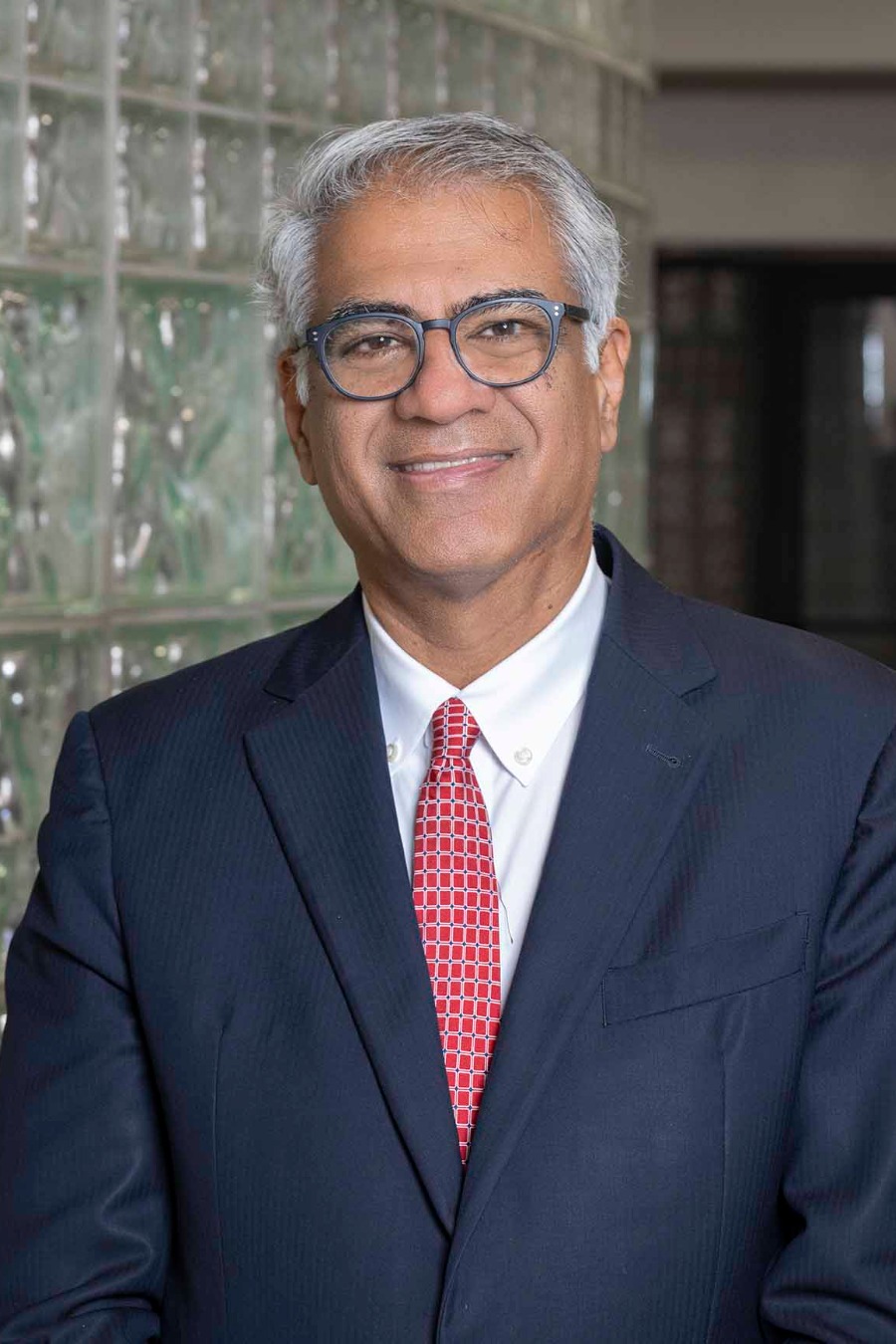
Sairam Parthasarathy, MD
Murray and Clara Walker Endowed Chair, Professor of Medicine (Tenured), Division Chief of Pulmonary Allergy Critical Care and Sleep Medicine
Dr. Parthasarathy is an academic physician and investigator whose work focuses on improving outcomes for patients with sleep and respiratory disorders. His research integrates clinical epidemiology, patient-centered outcomes, pragmatic trials, implementation science, digital health, and biomarker discovery.
He has led interdisciplinary programs in obstructive sleep apnea, Long COVID, sleep health equity, and care delivery innovation. His approach emphasizes rigorous science, multisite collaboration, stakeholder engagement, and the translation of evidence into real-world practice.

Michelle M. Perfect, PhD
Professor, Disability and Psychoeducational Studies; Assistant Professor, Psychology; Associate Professor, Pediatrics (Research Scholar Track) — University of Arizona College of Education
Dr. Perfect is Professor in the School Psychology Program at the University of Arizona. She received her doctorate in Educational Psychology (School Psychology) from the University of Texas at Austin and her master's degree in Psychology from New York University, and completed postdoctoral fellowships in pediatric psychology and in health psychology and biostatistics. She utilizes mixed methods to examine the role of health behaviors and traumatic event exposure in academic and health outcomes for diverse students; to design and examine sleep, behavioral medicine, positive psychology, technology-based, and mind-body interventions to improve school-related and neurobehavioral functioning; and to strengthen the collaborative roles of schools, families, healthcare, and policy in students' lives. Her research has been funded by the American Diabetes Association, National Institutes of Health, Institute of Education Sciences, and National Science Foundation.
Phone: 520-626-1128
Email: mperfect@arizona.edu

Stuart Quan, MD
Emeritus Professor of Medicine
Dr. Quan is Professor Emeritus of Medicine at the University of Arizona where he previously was Chief of Pulmonary and Critical Care Medicine, Associate Head of the Department of Medicine, Program Director of the GCRC and Director of the Sleep Disorders Center. Dr. Quan’s current research activities have been funded by the NIH and focus on the epidemiology of sleep and sleep disorders, particularly sleep disordered breathing, and providing healthy sleep education for the general public. He has written over 400 publications in scientific journals and books and authored a number of educational products for the general public. He currently serves as Editor-in-Chief of Frontiers of Sleep.

Graciela Silva, PhD, MPH
Clinical Professor; Professor, Public Health — University of Arizona College of Nursing
Dr. Silva obtained her doctorate in Epidemiology from the University of Arizona Mel and Enid Zuckerman College of Public Health in 2004. Her research focus is on sleep, sleep disordered breathing, obesity, asthma, emphysema, bronchitis, chronic obstructive pulmonary disease, and infectious diseases.
Phone: (520) 626-2206
Email: gsilva@nursing.arizona.edu
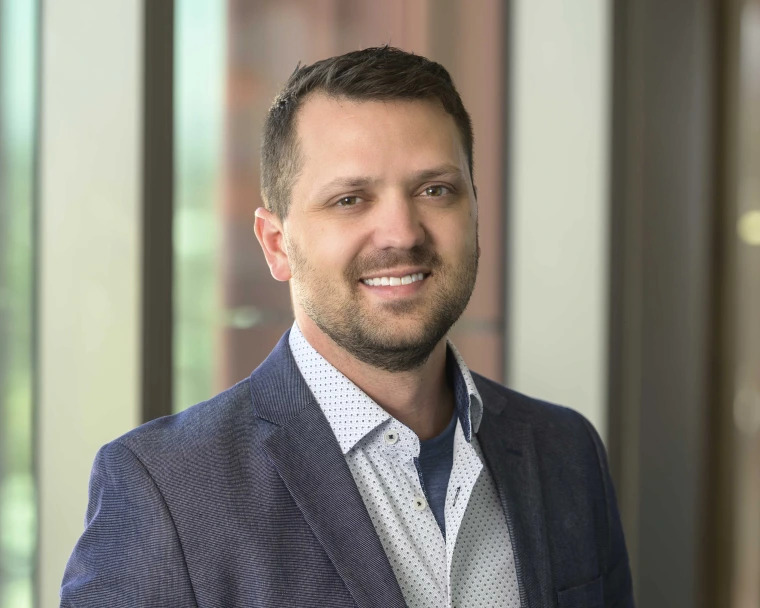
Dallin Tavoian, PhD
Research Assistant Professor
Dallin Tavoian, PhD, is a Research Assistant Professor and clinical exercise physiologist at the University of Arizona whose work integrates cardiovascular, respiratory, neuromuscular, and aging physiology. His research has evaluated practical exercise-based interventions—including resistance training and inspiratory muscle strength training—to preserve physical function, reduce blood pressure, and improve vascular health in older adults and individuals with conditions such as obstructive sleep apnea and type 2 diabetes. He also brings substantial clinical-trial leadership experience, including operational leadership within the NIH RECOVER initiative focused on understanding and treating Long COVID.

Daniel Taylor, PhD, CBSM, DBSM
Professor (Clinical); Director, Insomnia and Sleep Health Research Laboratory — University of Arizona, Department of Psychology
Dr. Taylor's research focuses on the epidemiology and treatment of insomnia comorbid with other conditions and the consequences of shiftwork; examining sleep and mental health disparities and developing culturally responsive insomnia and other behavioral sleep medicine interventions; and, more recently, documenting and improving the sleep of military, first responder, and healthcare workers.
Phone: 520-621-9289
Email: danieljtaylor@arizona.edu

Jennifer Teske, PhD
Associate Professor; Director, Nutritional Sciences Graduate Program; Director of Research — School of Nutritional Sciences and Wellness, University of Arizona
My research program seeks to elucidate neural mechanisms and dietary factors regulating weight gain associated with abnormal sleep in rodent models. Clarifying the role of orexin, an integrative endogenous neuropeptide, in mediating weight gain due to disrupted sleep is at the forefront of these studies. These studies are performed by concurrently measuring sleep, physical activity, feeding and energy expenditure in free-living rodents in vivo with high-resolution sensors. The laboratory also seeks to investigate the feasibility of a 7T-MRI to quantify whole body composition and brain imaging during central orexin delivery in vivo.
Phone: 520-621-3081
Email: teskeja@arizona.edu